ProstaVive Side Effects: Warnings Before You Buy
Worried about ProstaVive side effects? Before buying any prostate support supplement, it makes sense to look past the marketing and ask the practical safety questions: what might not agree with you, which medications could interact, and whether your symptoms should be checked by a doctor first.
This article is built on the Supplement Facts label shown on the official ProstaVive page. No published safety study of the finished formula exists that we could find, so everything below comes from what is known about the individual ingredients and what they may do at the label amounts. That is useful for flagging cautions, but it cannot tell you how this exact product will affect you. For what each ingredient is and what it is used for, see our full ProstaVive ingredients breakdown; for the overall verdict, see the ProstaVive review.
Quick Answer: Does ProstaVive Have Side Effects?
Potentially, yes. ProstaVive is a powder with more than a dozen active ingredients, including several botanical extracts. The most plausible issues are mild: digestive discomfort, gas, nausea, headache, or changes in sleep and energy, especially in the first days of use or when taken without food. The official page directs buyers to take one scoop daily with a meal, which is the sensible way to take it.
For many readers the bigger question is not mild discomfort. It is whether the formula could add to the effects of medication for blood sugar, blood pressure, thyroid, clotting, or sleep, or whether it might delay a proper evaluation of urinary symptoms.
Common ProstaVive Side Effects to Know About
Because the label combines several plant extracts with vitamins and minerals, tolerance varies. Even when no single ingredient is alarming, a longer ingredient list gives more chances that one of them does not agree with you.
1. Digestive discomfort
This is the most common category of complaint with multi-ingredient herbal products. Possible symptoms include:
- mild nausea
- bloating or gas
- stomach discomfort
- loose stools or other changes in bowel habits
Fenugreek, artichoke extract, and zinc are among the label ingredients that can upset the stomach in some people. Taking the scoop with a meal, as directed, may lower the chance.
2. Headache or lightheadedness
Some herbal ingredients, including ginseng and tongkat ali, are occasionally linked to headache or a sense of feeling “off” in sensitive people. That does not mean the product is dangerous, but persistent symptoms that began after starting are a reasonable signal to stop and reassess.
3. Sleep-related changes
Depending on your sensitivity, some of the label ingredients may be linked to:
- restlessness or trouble falling asleep (more often reported with ginseng and tongkat ali)
- daytime drowsiness (reported with ashwagandha)
- feeling overstimulated if taken late in the day
4. Allergic or sensitivity reactions
Watch for itching, rash, throat irritation, or new digestive symptoms shortly after a dose. Two label-specific points are worth knowing: artichoke belongs to the daisy family, so people allergic to ragweed, chrysanthemums, or similar plants may react, and fenugreek is a legume, so people with peanut or chickpea allergies may want to be cautious. If symptoms look allergic rather than merely uncomfortable, stop use and seek medical advice.
Which Label Ingredients May Be Behind Side Effects?
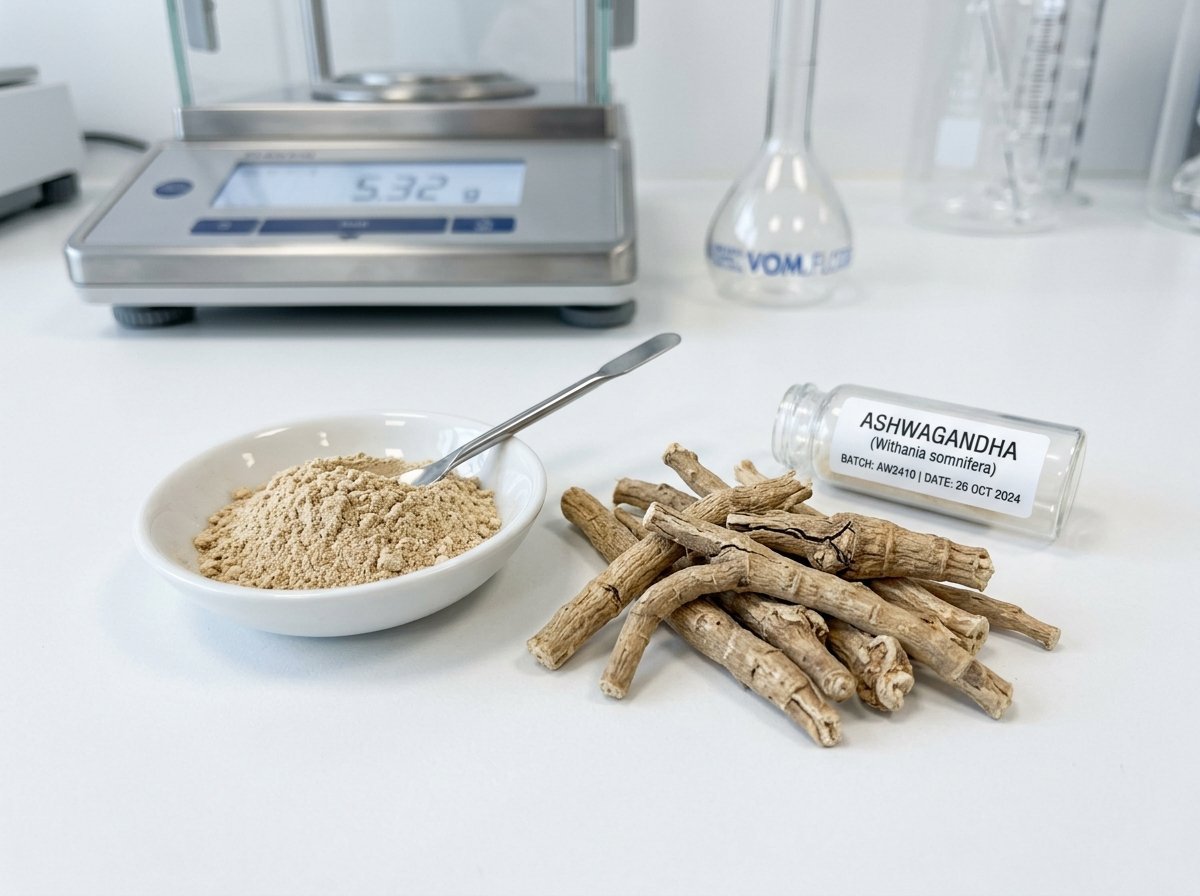
The table below lists the label ingredients most relevant to safety, with the amount per scoop. These are ingredient-level cautions drawn from general safety information, not findings from a ProstaVive study.
| Ingredient (per scoop) | Main caution to know |
|---|---|
| Fenugreek powder, 500 mg | Gas, diarrhea, and nausea in some people. May lower blood sugar, so diabetes medication deserves a check. Legume allergy overlap. |
| Ashwagandha extract, 250 mg | Drowsiness or stomach upset. May affect thyroid hormone levels. Rare liver injury has been reported. Generally avoided in pregnancy and with thyroid disorders. |
| Panax ginseng extract, 50 mg | Sleeplessness and headache in some people. May lower blood sugar. Possible interaction with blood thinners such as warfarin. A low amount compared with many ginseng products. |
| Tongkat ali extract, 100 mg | Restlessness, irritability, or poor sleep reported. Long-term human safety data are limited. |
| Stinging nettle root extract, 200 mg | Mild stomach upset in some people. The EU herbal monograph reports no known interactions, though NCCIH notes its tannins may reduce the effect of iron taken at the same time. See our nettle root for prostate health. |
| Artichoke extract, 300 mg | Gas or stomach upset. Daisy-family allergy overlap. Often advised against with bile duct blockage or gallstones. |
| Maca root extract, 250 mg | Digestive upset or sleep changes in some people. People with thyroid conditions are often advised to be cautious with maca. |
| Cordyceps powder, 250 mg | Usually mild. Human safety data are limited, and it may affect immune activity, blood sugar, or clotting, so autoimmune conditions and blood thinners call for a check. |
| Proprietary blend, 200 mg total | Beet root, alfalfa, black currant, broccoli, pomegranate extract, and raspberry share 200 mg with no individual amounts, so the dose of each cannot be assessed. Alfalfa contains vitamin K, and beet root may turn urine or stool pink or red. |
The practical takeaway: the more active ingredients in a blend, the more variables there are if you react poorly. If something does not agree with you, the label alone cannot tell you which ingredient is responsible.
Vitamins and Minerals: Why Stacking Matters
ProstaVive also contains vitamin D3 (50 mcg, or 2,000 IU), vitamin B6 (10 mg), zinc (12 mg as zinc citrate), magnesium (50 mg as magnesium citrate), boron (5 mg), and 70 mg of sodium. At these amounts, each is below the adult upper intake levels published by the NIH Office of Dietary Supplements (100 mcg for vitamin D, 100 mg for B6, 40 mg for zinc). On their own they are not the main concern.
The risk is stacking. If you already take a multivitamin, a separate vitamin D or zinc product, or a testosterone-support formula, the totals can add up without you noticing. Check what you already take before adding another product. Zinc and magnesium can also interfere with the absorption of certain antibiotics, so ask a pharmacist about timing if you are on a course of one. People with kidney disease or who have been told to limit sodium should review the mineral content with their clinician.
Can ProstaVive Interact With Medications?
Potentially, yes. This is one of the most important pre-purchase questions, especially for older adults who may already take several prescriptions. The concern is not that every buyer will have a serious interaction. It is that several ingredients here can nudge the same body systems that common medications already target.
- Diabetes medication or insulin: fenugreek, ginseng, and possibly cordyceps may lower blood sugar further.
- Blood pressure medication, diuretics, or prostate alpha-blockers: ginseng may add to blood pressure effects, and the label carries 70 mg of sodium.
- Blood thinners or antiplatelet drugs: ginseng, fenugreek, and cordyceps raise theoretical clotting concerns, and alfalfa contains vitamin K.
- Thyroid medication: ashwagandha may change thyroid hormone levels, and maca is often flagged for thyroid caution.
- Sedatives, sleep aids, or antidepressants: ashwagandha may add drowsiness, and ginseng and tongkat ali may affect mood or sleep.
- Other prostate medication: if you take a 5-alpha-reductase inhibitor or alpha-blocker, tell your prescriber before adding any prostate supplement.
If any of these apply, have the full label reviewed by a pharmacist or clinician before buying.
Who Should Avoid ProstaVive or Talk to a Doctor First?

1. People with an existing condition or regular medication
- diabetes or blood sugar problems
- high blood pressure or heart conditions
- thyroid disorders
- liver or kidney disease, gallstones, or bile duct problems
- autoimmune conditions
- anyone on blood thinners, sedatives, antidepressants, or thyroid, diabetes, or blood pressure medication
2. People preparing for surgery
Many clinicians recommend stopping non-essential herbal supplements ahead of surgery because of possible effects on bleeding, blood sugar, blood pressure, and anesthesia. Ginseng and fenugreek are among the label ingredients commonly mentioned in this context. Tell the surgical team exactly what you take.
3. Pregnant or breastfeeding women in the household
ProstaVive is marketed to men, but it is a powder kept in a shared kitchen. Ashwagandha and fenugreek are generally avoided during pregnancy and breastfeeding, so it should not be shared.
4. People with significant urinary symptoms
Do not reduce this to a simple supplement decision if you have any of the following. These need proper medical evaluation, not self-treatment.
Medical Caution & Red Flags:
Get medical attention before using any prostate supplement if you have:
- blood in the urine
- pain with urination
- inability to urinate
- fever with urinary symptoms
- sudden worsening of urinary symptoms
- pelvic pain or unexplained weight loss
A supplement should never delay evaluation of symptoms that could point to infection, obstruction, or another underlying problem.
How to Reduce the Chance of Side Effects
If you and your healthcare professional decide the product is reasonable to try, these basic steps may lower the chance of problems:
- take one scoop with a meal, as directed
- avoid taking it late in the day if you are sensitive to sleep changes
- do not start several new supplements at the same time
- check your other products for overlapping vitamin D, zinc, or B6
- monitor how you feel during the first several days
- stop using it if symptoms clearly worsen after starting
Many supplement problems happen because users stack products, ignore early warning signs, or assume “natural” means risk-free.
Is ProstaVive Safe? What the Evidence Can and Cannot Tell You
(Wondering whether the brand itself is trustworthy? That is a separate question, covered in Is ProstaVive Legit?)
The most accurate answer: it may be acceptable for some healthy adults, but safety depends on your medications, your medical history, and whether your symptoms have been evaluated. Safety information exists for most individual ingredients, but we found no independent safety study of the finished ProstaVive formula, and the manufacturer does not publish adverse-event data. Ingredient-level reassurance should not be read as proof for this specific product.
When to Stop Taking It and Seek Medical Advice
Stop using the product and seek medical guidance if you develop persistent nausea or vomiting, severe headache, allergic-type symptoms, marked sleep disruption, unusual yellowing of the skin or eyes, dark urine, worsening urinary symptoms, blood in the urine, pain, fever, or an inability to urinate.
Buying From the Official Source
If you decide to try ProstaVive, the manufacturer states that it sells only through its official website and not through retailers such as Amazon, Walmart, or eBay. We cannot verify the contents of any third-party listing, so buying from the official page is the way to be sure you are getting the label described here and the refund policy attached to it. Our guide on whether the seller is legitimate covers pricing, the guarantee, and what to check.
Final Verdict
ProstaVive side effects are likely to be mild for most users, but mild is not the same as appropriate for everyone. The key safety points are digestive tolerance, ingredient sensitivity, medication interactions, and whether urinary symptoms should be assessed first.
If you are otherwise healthy, take no regular medication, and have no concerning urinary symptoms, the safety picture is reasonable enough to move forward carefully: start with the label directions, take it with food, and watch for early warning signs.
If you take prescription medication, have diabetes, thyroid, liver, or kidney issues, are preparing for surgery, or have significant urinary symptoms, pause and review the label with a pharmacist or doctor first. That conversation is the better next step, and the product will still be there afterward.
Frequently Asked Questions
Does ProstaVive cause side effects?
It may. Possible side effects include digestive discomfort, gas, nausea, headache, or sleep changes, depending on individual sensitivity to the botanical extracts on the label.
Can I take ProstaVive with diabetes or blood pressure medication?
Check with your doctor or pharmacist first. Fenugreek and ginseng may lower blood sugar, and ginseng may affect blood pressure, which could add to the effect of your medication.
Is ProstaVive a concern for people with thyroid conditions?
It may be. Ashwagandha can affect thyroid hormone levels, and maca is often flagged for caution, so people with thyroid conditions or thyroid medication should get medical advice before using it.
Should I take ProstaVive if I have urinary symptoms?
That depends on the symptoms. Blood in the urine, pain, fever, sudden worsening, or inability to urinate should be medically evaluated rather than self-managed with a supplement.
How can I lower the chance of side effects?
Take one scoop with a meal as directed, avoid adding several new supplements at once, check your other products for overlapping vitamin D, zinc, and B6, and stop use if symptoms clearly worsen.