NeuroSerge Side Effects: What to Know Before Taking It

Before trying any brain health supplement, it makes sense to understand the possible side effects, who should be cautious, and when it is worth speaking with a healthcare professional first.
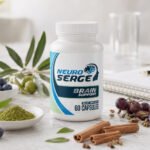
That is especially true with NeuroSerge because it is a multi-ingredient botanical formula. Based on the official sales page image we reviewed, six ingredients are publicly visible: Olive Leaf, Cinnamomum cassia, Deglycyrrhizinated Licorice, Green Tea Extract, Grape Seed Extract, and Bilberry Extract. The formula is also described as containing 20+ plants and nutrients, but not all of them are fully disclosed in the public sales material we reviewed.
This guide breaks down the most realistic NeuroSerge side effects, the ingredient-related cautions that matter most, and which people should be more careful before taking it.
For the formula breakdown, see our NeuroSerge ingredients review. For the full product verdict, read our complete NeuroSerge review.
Quick Answer
For most healthy adults who are not taking prescription medication, the verified NeuroSerge ingredients appear to carry a generally manageable, low-to-moderate tolerability profile.
The visible formula is not built around aggressive stimulants, high-dose caffeine, synephrine, or other harsh stimulant-style ingredients. That is reassuring for users who want a brain health supplement without a strong energy-pill effect.
The main cautions are more specific:
- Blood sugar medications: Cinnamomum cassia may support glucose regulation, which could matter for people taking diabetes medication.
- Blood thinners: Grape Seed Extract and Bilberry may have mild blood-thinning relevance.
- Blood pressure medication: Olive Leaf and Grape Seed Extract may modestly support lower blood pressure.
- Caffeine sensitivity: Green Tea Extract may contain trace natural caffeine.
- Incomplete public formula details: The public sales image does not show every ingredient in the 20+ blend, so people on multiple medications should review the complete label before use.
Bottom line: NeuroSerge does not look especially concerning for healthy adults, but people taking medication for blood sugar, blood pressure, or blood thinning should speak with a healthcare professional before starting. Verify availability for healthy adults on the official site.
What Looks Reassuring About NeuroSerge’s Safety Profile
A side effects article should not make a supplement sound risky just because it contains active botanicals. The more balanced view is this: based on the verified ingredients, NeuroSerge looks like a botanical brain support formula with some specific cautions, not a high-risk supplement for the average healthy adult.
Several points are reassuring:
- The verified formula does not appear to rely on heavy stimulant ingredients.
- Green Tea Extract is the only visible ingredient likely to contribute trace natural caffeine.
- DGL Licorice is generally a more cautious form than standard licorice root.
- Bilberry, Olive Leaf, Grape Seed, and Green Tea Extract are commonly used botanical extracts.
- The biggest concerns apply mainly to people taking specific medications or managing certain health conditions.
That said, “natural” does not mean irrelevant. Botanical ingredients can still affect blood sugar, blood pressure, circulation, liver metabolism, or medication response.
General Tolerability: What Users Might Notice First
The most likely early side effects from a multi-ingredient botanical formula are mild digestive changes, especially during the first week or two.
Possible adjustment effects may include:
- mild nausea
- bloating
- loose stools
- stomach discomfort
- mild headache
- sleep disruption in caffeine-sensitive users
These effects are usually not serious and may improve when the supplement is taken with food. If symptoms are severe, persistent, or unusual for you, stop taking the supplement and speak with a healthcare provider.
If you also use a nighttime sleep supplement, it is worth reviewing the full combination rather than each product in isolation. Our guide to melatonin and magnesium glycinate safety covers the most common sleep-supplement pairing and its medication considerations.
Medication Interactions to Know
This is the most important safety section for NeuroSerge. The verified ingredients do not look especially concerning for healthy adults, but they can matter for people taking medication.

Main ingredient involved: Cinnamomum cassia
Secondary ingredient: Bilberry
Cinnamomum cassia may support blood sugar regulation. For healthy adults, this may not be a problem. But for people taking glucose-lowering medication, there may be an additive effect. People taking insulin or other diabetes medications should speak with their prescriber before using NeuroSerge.
Possible low blood sugar symptoms include shakiness, sweating, confusion, rapid heartbeat, unusual hunger, or weakness.
Main ingredient involved: Grape Seed Extract
Secondary ingredient: Bilberry
Grape Seed Extract and Bilberry may have mild blood-thinning or antiplatelet relevance. For healthy adults, this is usually not a major issue. For people taking blood thinners, it matters more.
Speak with a healthcare professional before taking NeuroSerge if you use warfarin, apixaban, rivaroxaban, clopidogrel, high-dose aspirin therapy, or similar medications.
Main ingredients involved: Olive Leaf Extract and Grape Seed Extract
Olive Leaf and Grape Seed Extract may modestly support blood pressure-related pathways. That can be beneficial for some users, but it may overlap with blood pressure medication.
Speak with your healthcare provider first if your blood pressure is already low, tightly controlled, or managed with medication. Possible signs of blood pressure dropping too much include dizziness, lightheadedness, or faintness when standing.
Main ingredients involved: Green Tea Extract and Cinnamomum cassia
The caution mainly applies to people who have liver disease, elevated liver enzymes, use multiple green tea extract (EGCG) products, consume high amounts of cassia cinnamon, or take medications that require careful liver metabolism monitoring.
What the Undisclosed Ingredients Mean for Safety
NeuroSerge is described as containing 20+ plants and nutrients, but the public sales page image we reviewed does not show all of them. For healthy adults, this may not be a major issue. Many supplements use proprietary blends, and the verified ingredients do not look alarming in isolation.
For people taking prescription medication, the missing ingredient details matter more. A doctor or pharmacist can only review interaction risk properly if they can see the complete label. This is a transparency limitation, not automatic proof that the product is unsafe.
Final Verdict: NeuroSerge Side Effects
NeuroSerge’s verified ingredients suggest a botanical brain support formula with a generally manageable safety profile for healthy adults. The most likely side effects are mild digestive adjustment, possible caffeine sensitivity from Green Tea Extract, or dizziness in users sensitive to blood pressure changes.
The best way to think about it is simple: NeuroSerge may be a reasonable supplement to evaluate if you are a healthy adult looking for stimulant-free brain support. If you take prescription medication or manage a chronic condition, review the complete label with a healthcare professional first.
If you are a healthy adult, not taking medications that overlap with the concerns above, and NeuroSerge still fits what you are looking for, the official website is the safest place to review current pricing, bundle options, and guarantee terms.
Frequently Asked Questions
Is NeuroSerge safe for healthy adults?
For most healthy adults not taking prescription medication, NeuroSerge appears to have a generally reasonable safety profile based on the visible ingredients. The biggest cautions apply to people using blood sugar, blood pressure, or blood-thinning medication.
Can NeuroSerge affect blood sugar?
It may. Cinnamomum cassia is commonly associated with blood sugar support. This is most relevant for people taking diabetes medication because the effects may overlap. If you manage blood sugar with medication, speak with your prescriber before using NeuroSerge.
Does NeuroSerge contain caffeine?
NeuroSerge is marketed as stimulant-free, but Green Tea Extract may naturally contain trace caffeine. Most users are unlikely to notice a strong stimulant effect, but caffeine-sensitive users should take it earlier in the day and monitor sleep or jitteriness.